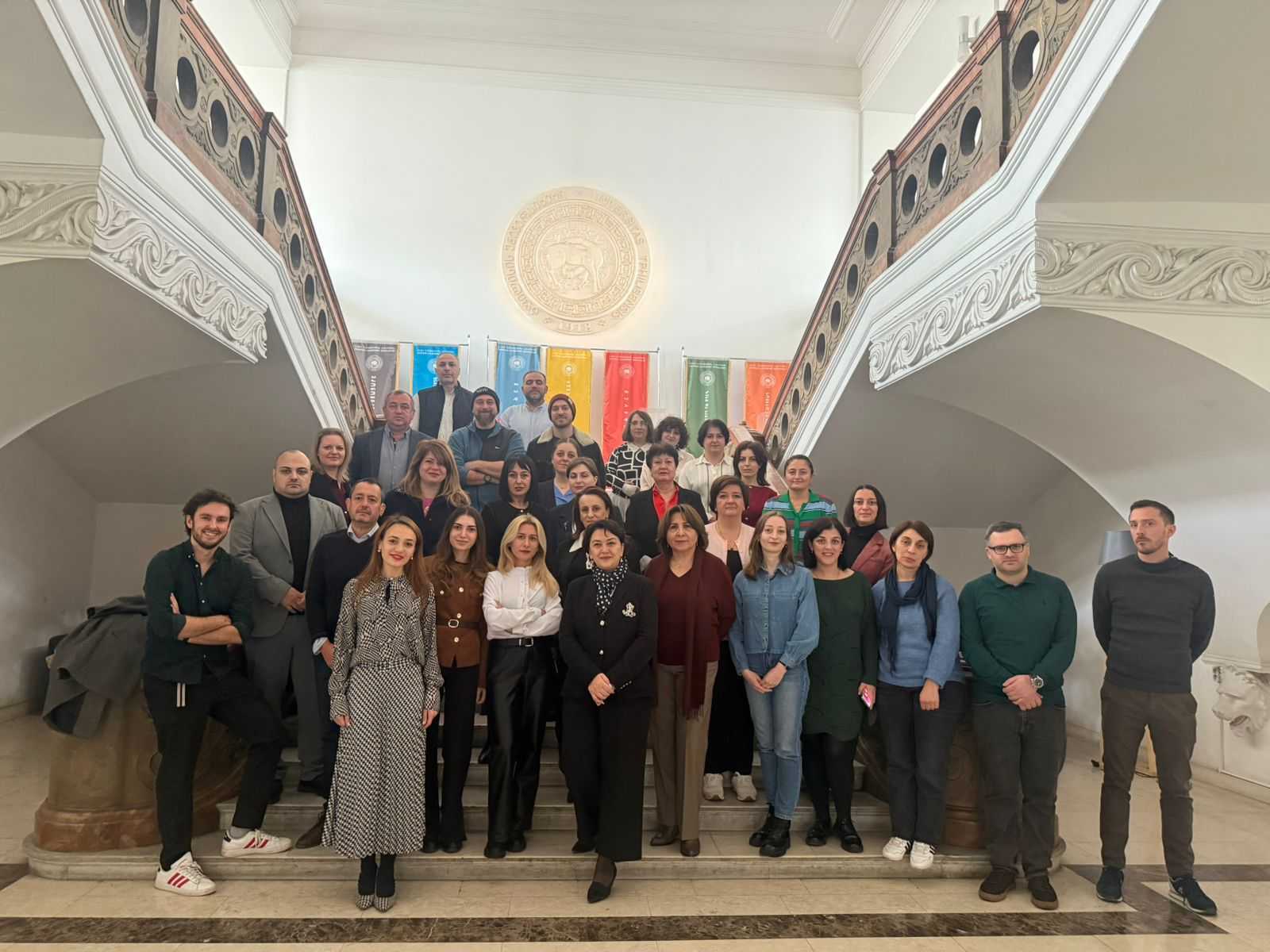
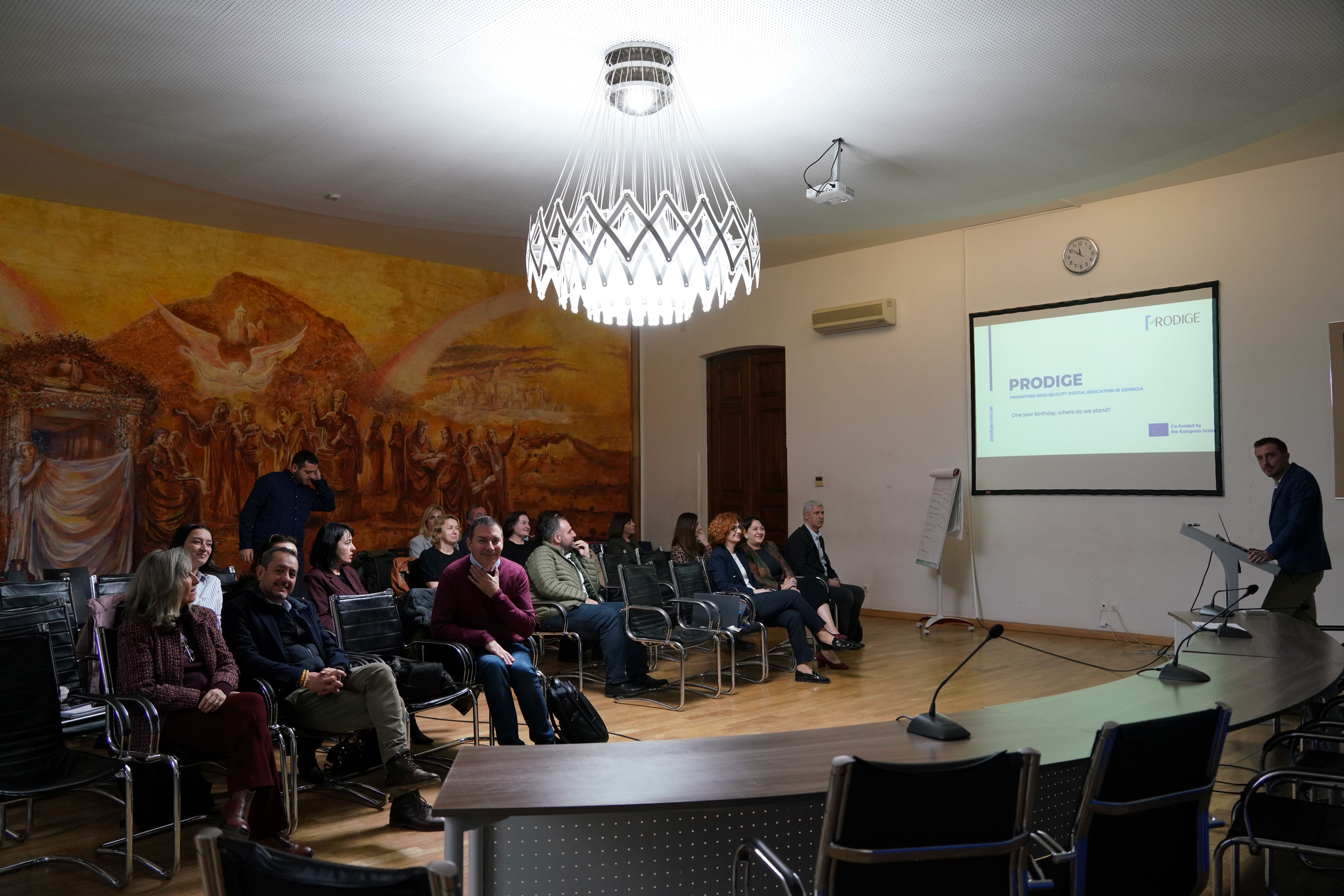
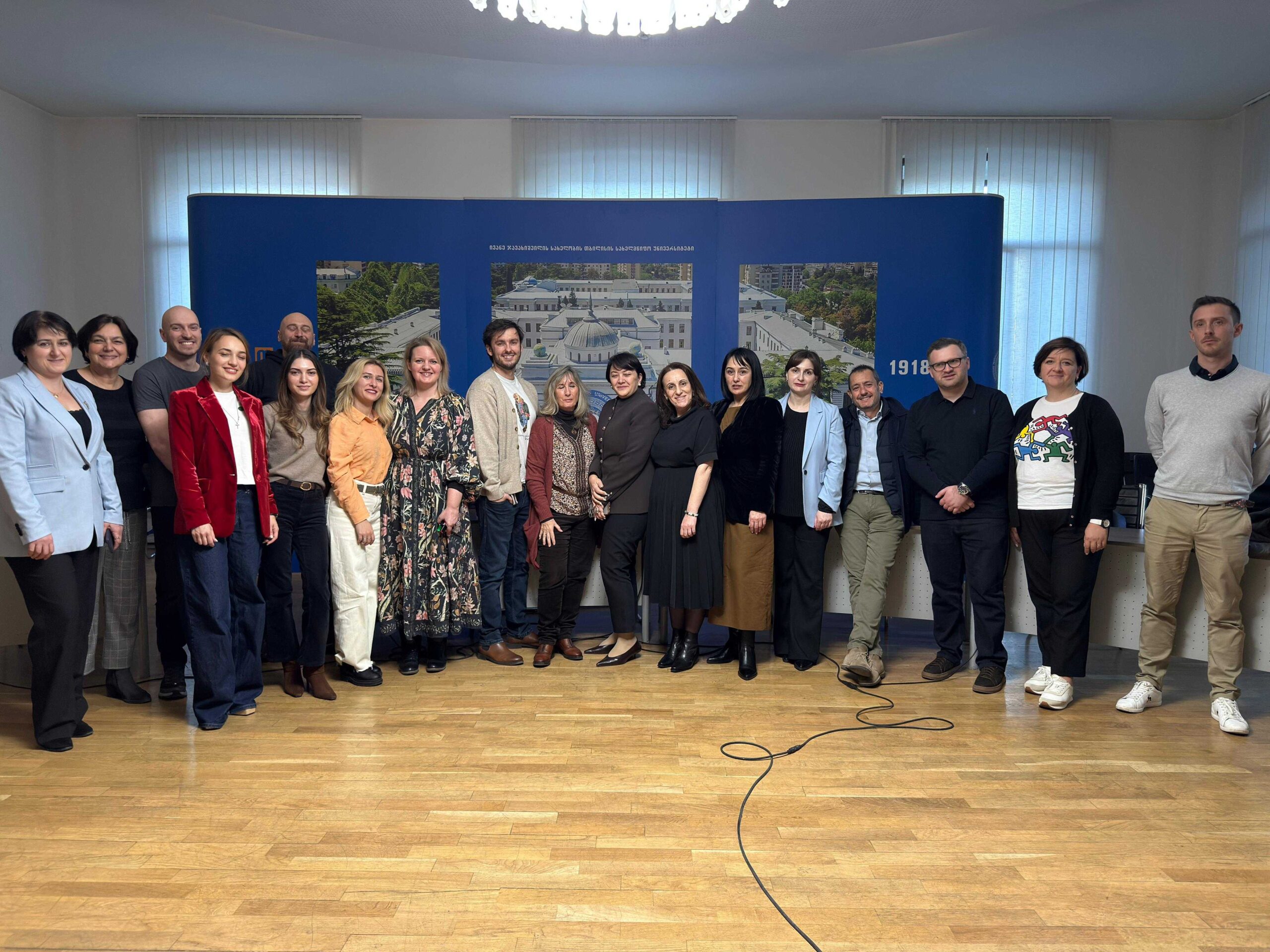
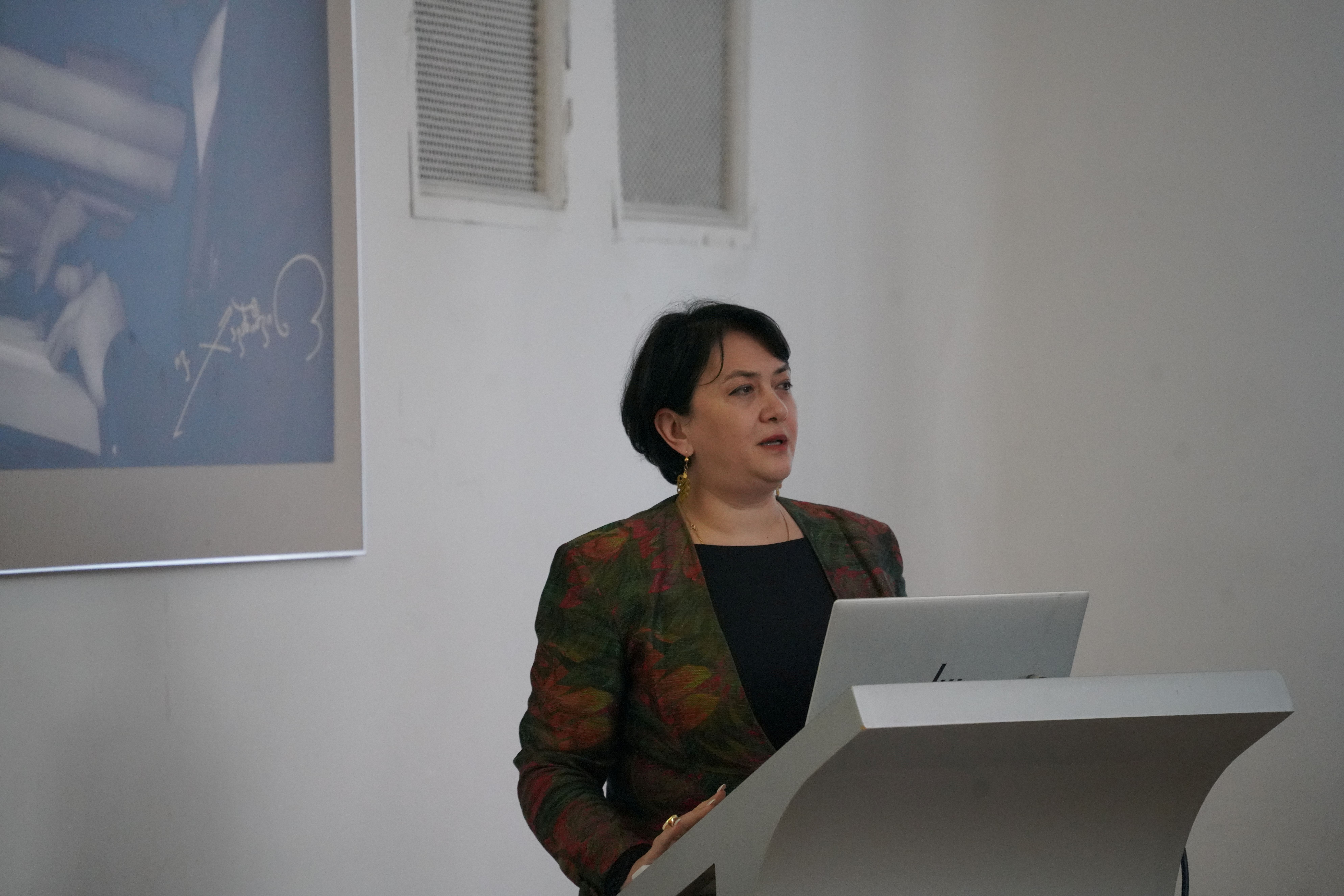
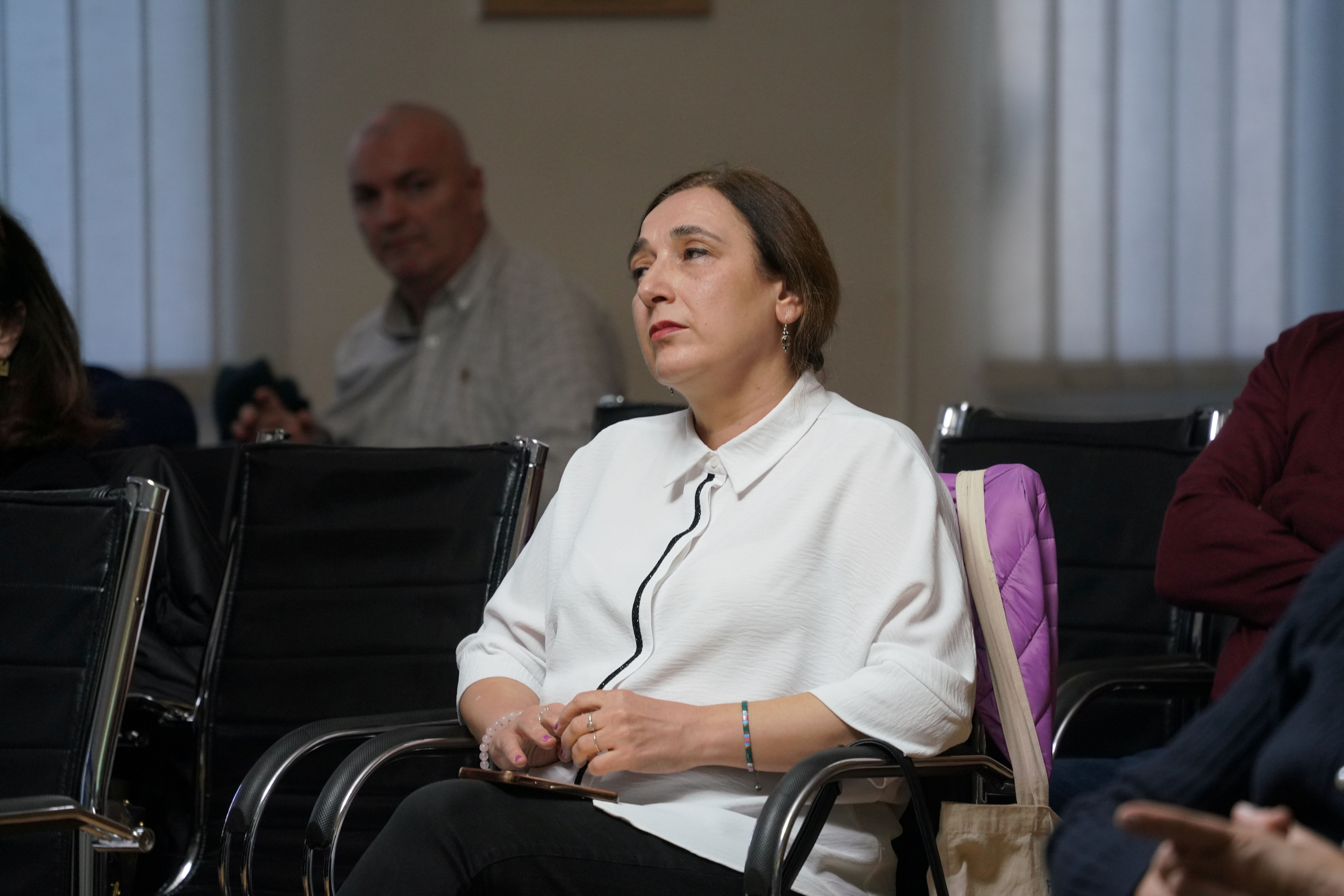
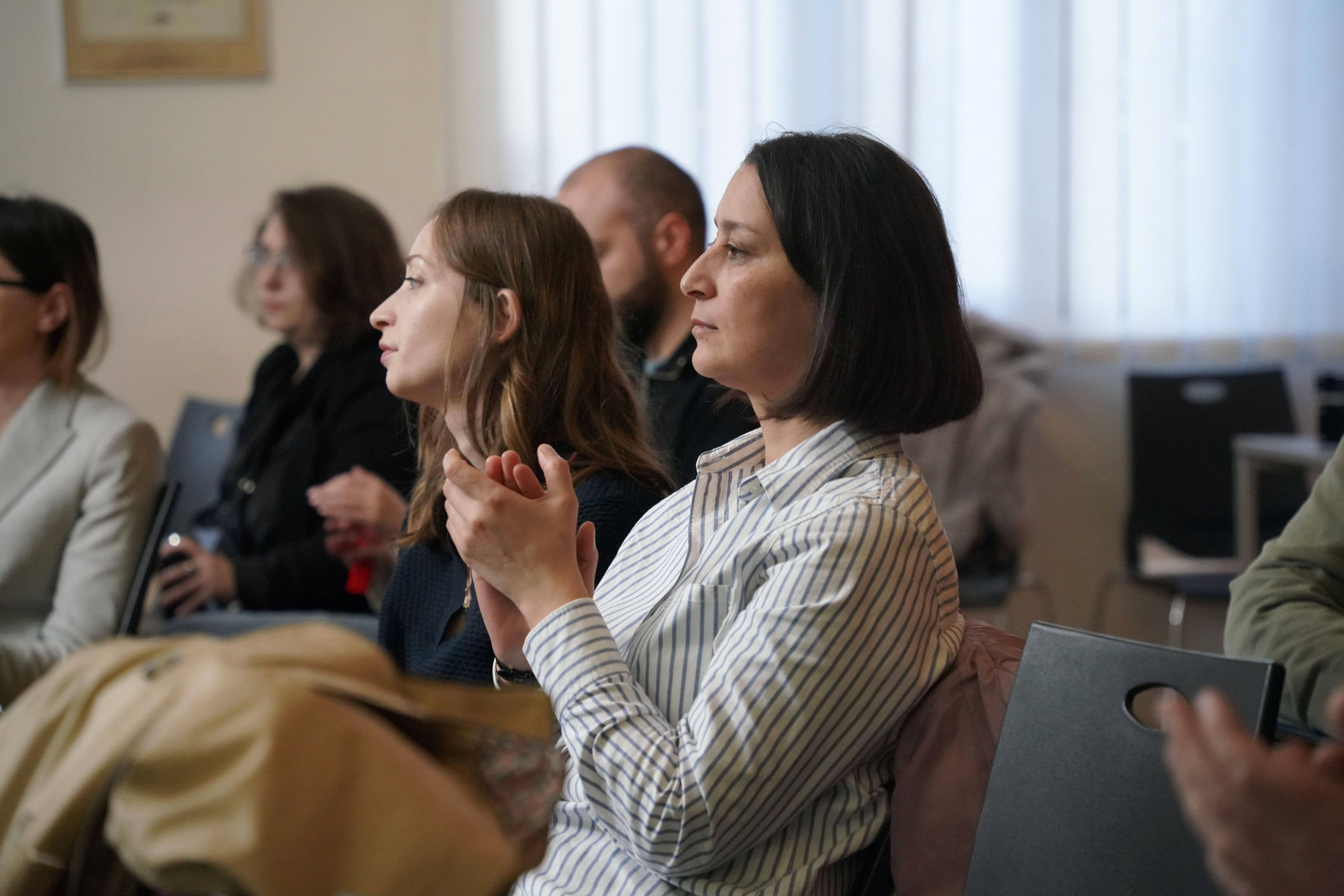
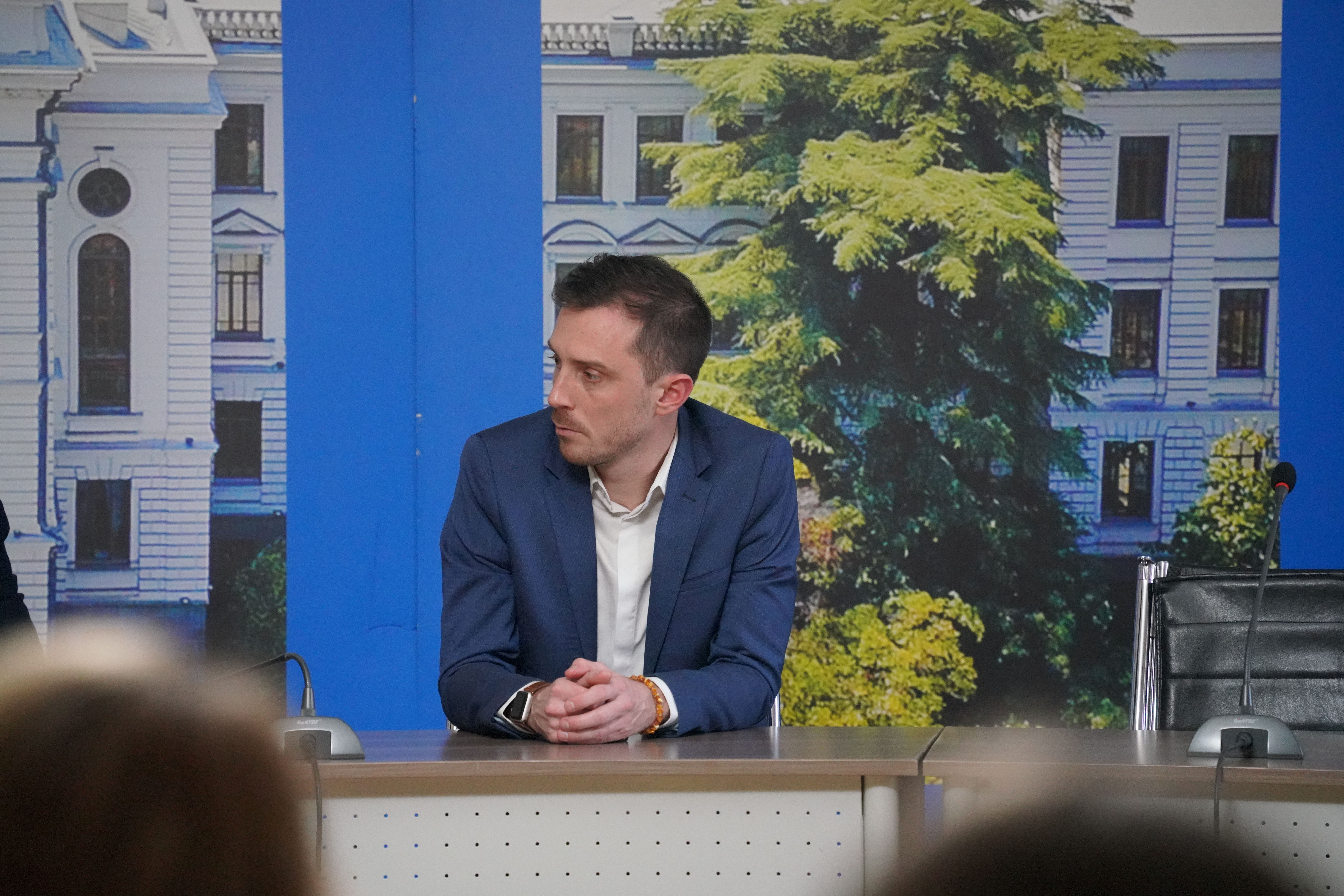
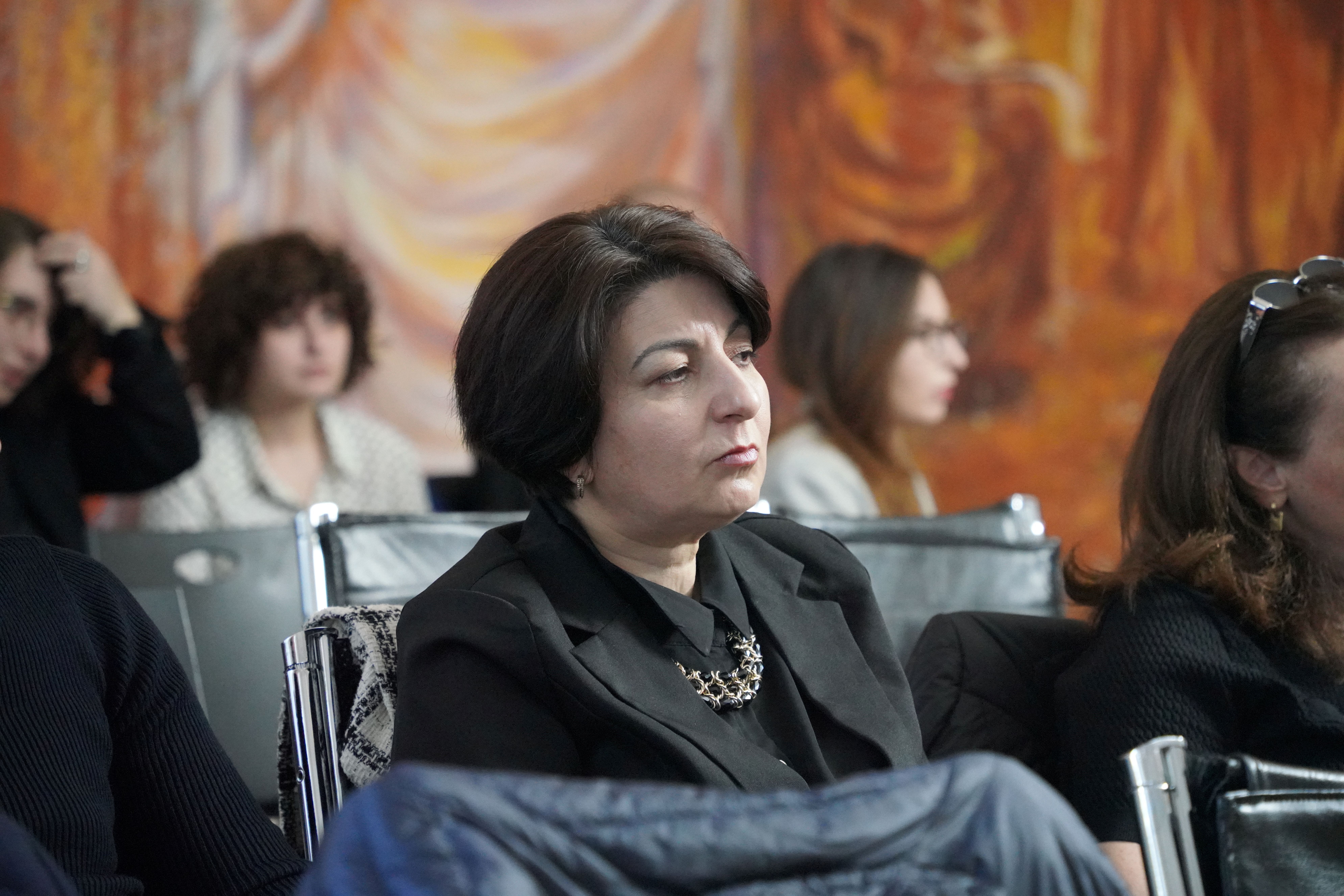
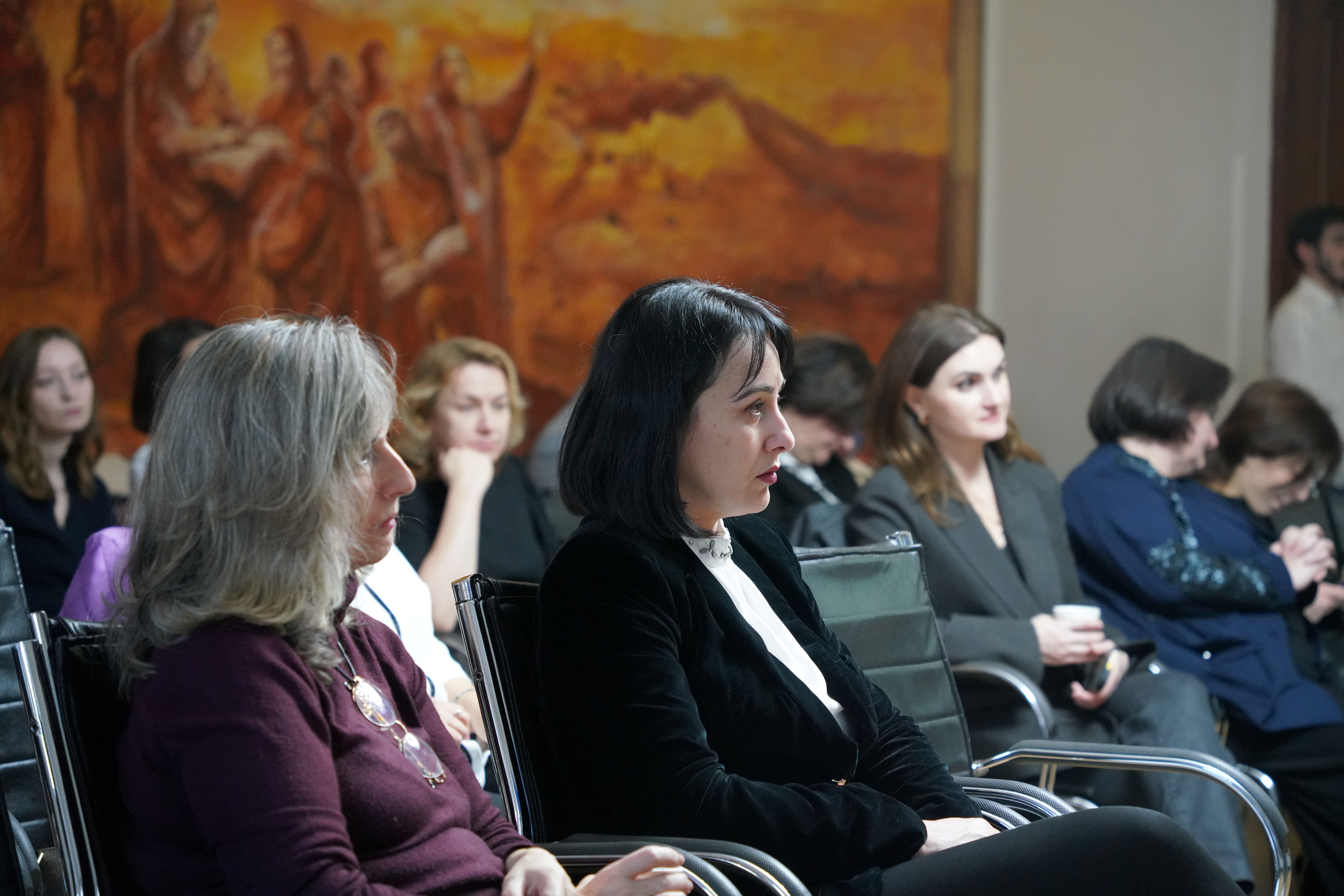
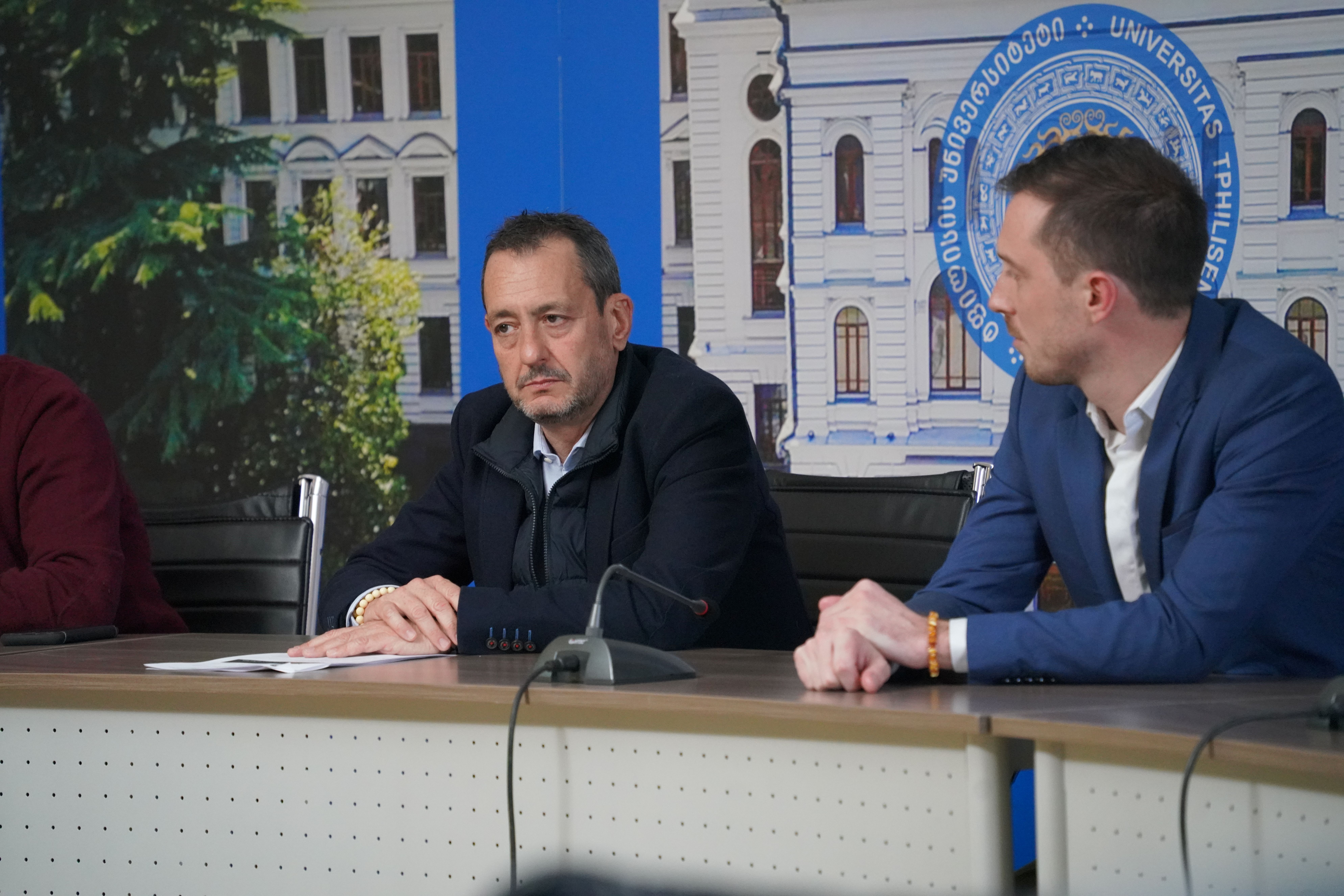
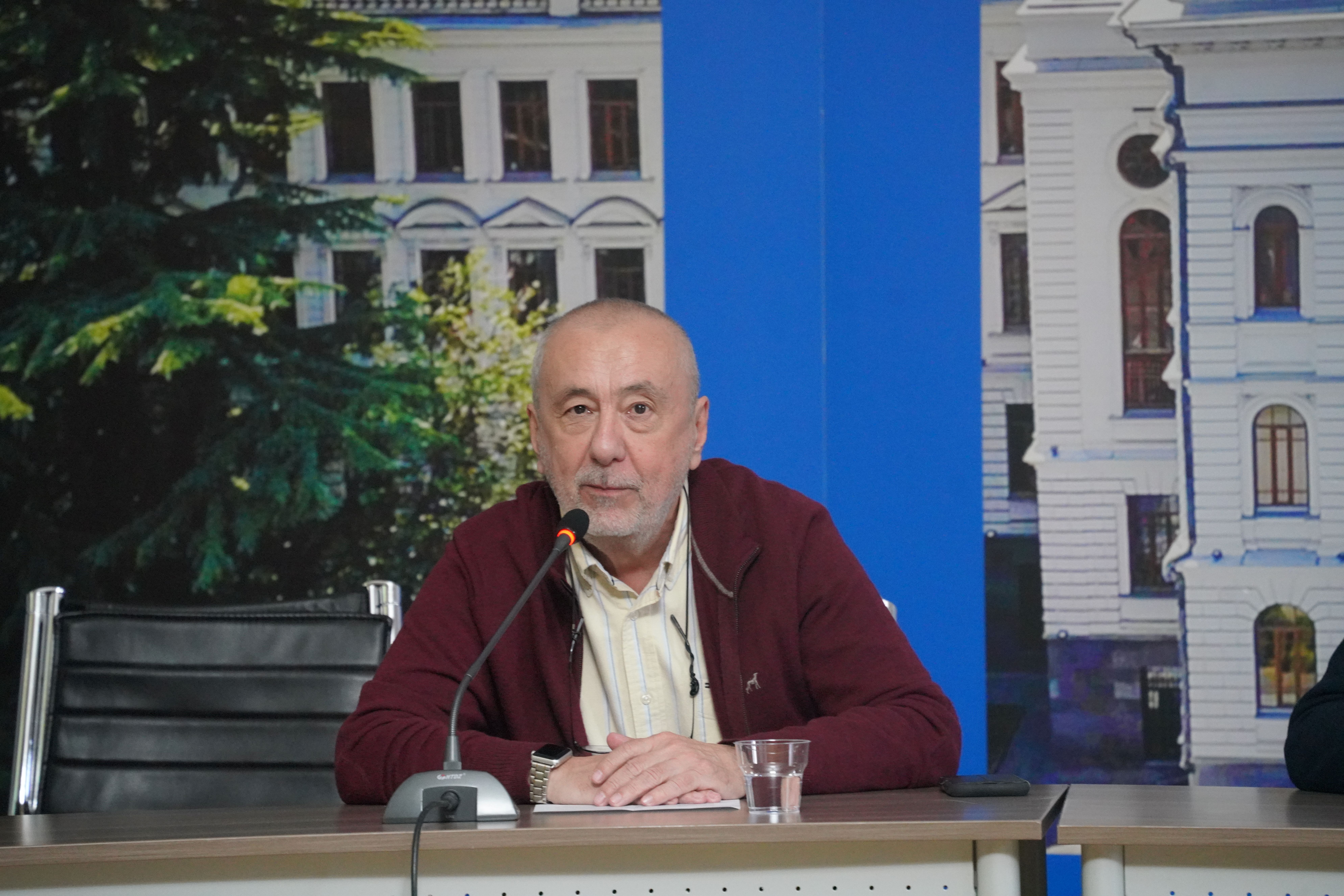
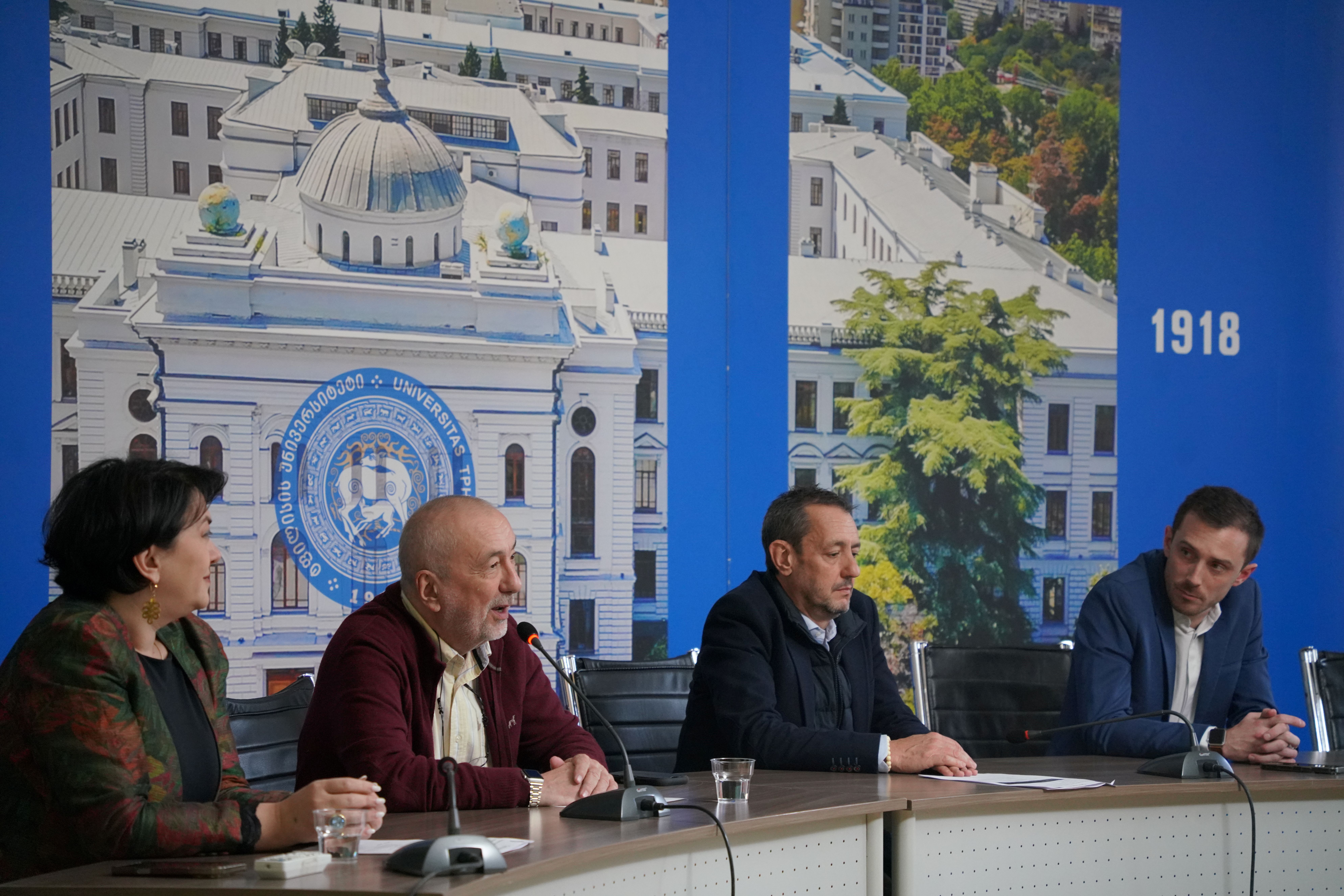
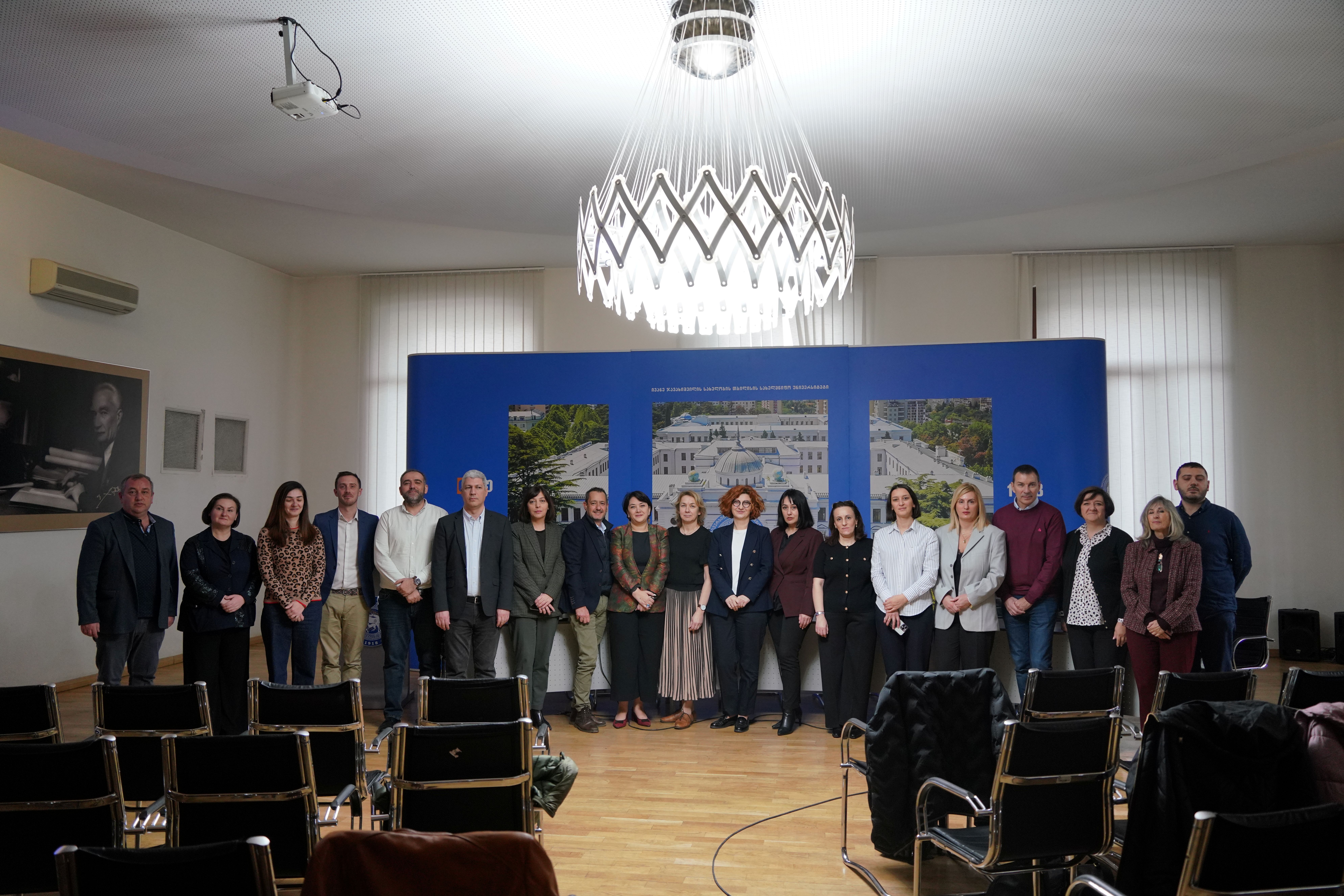

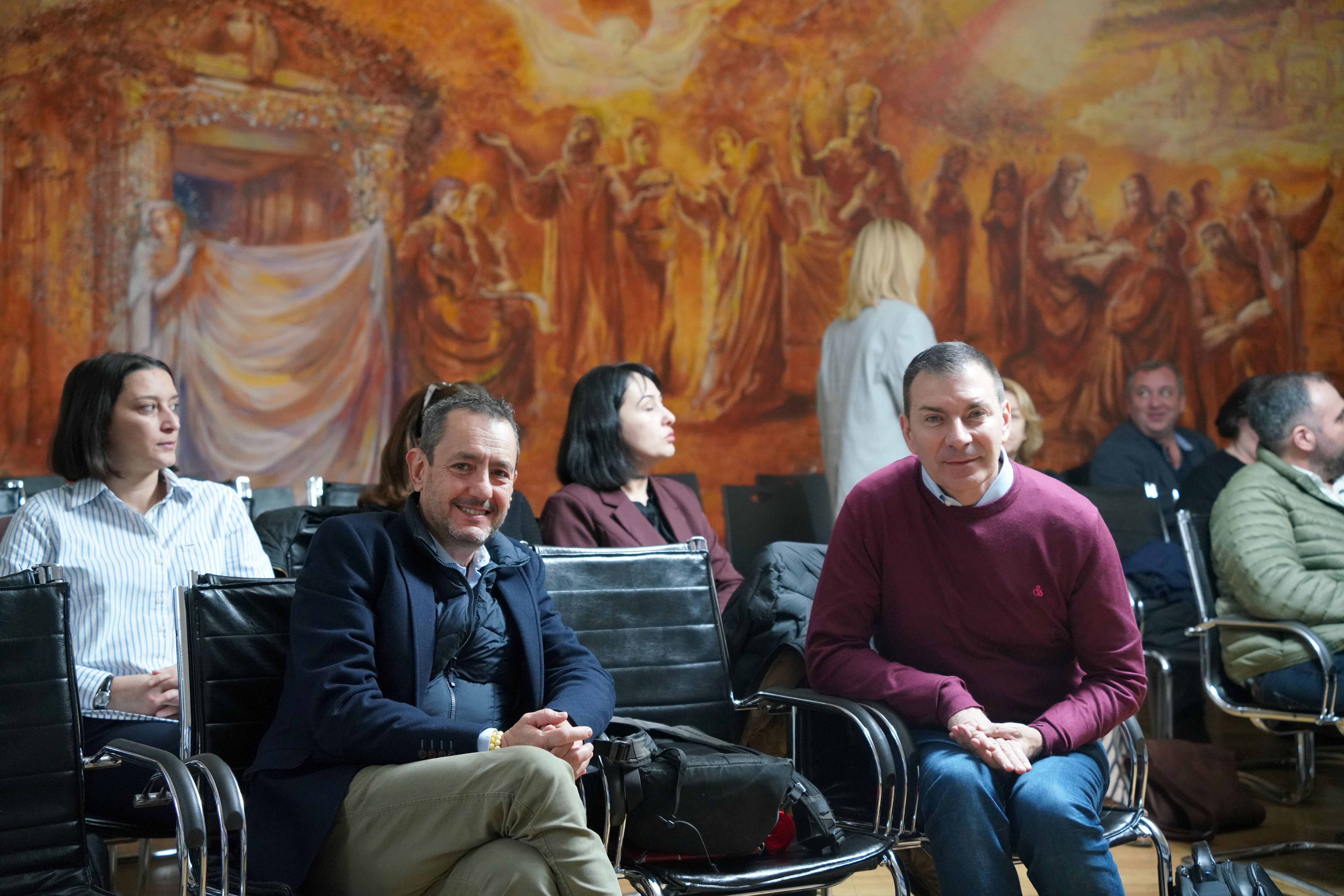
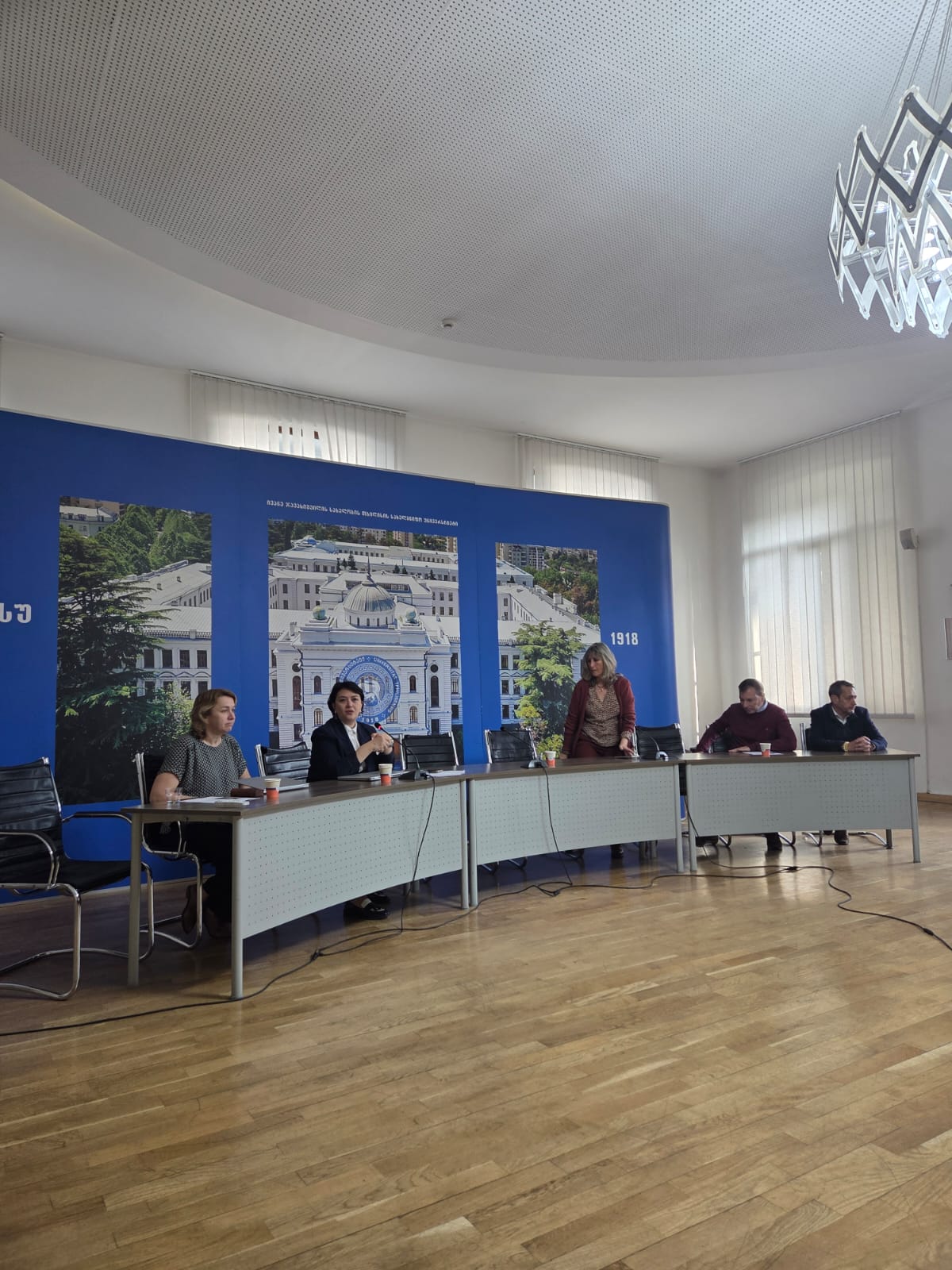
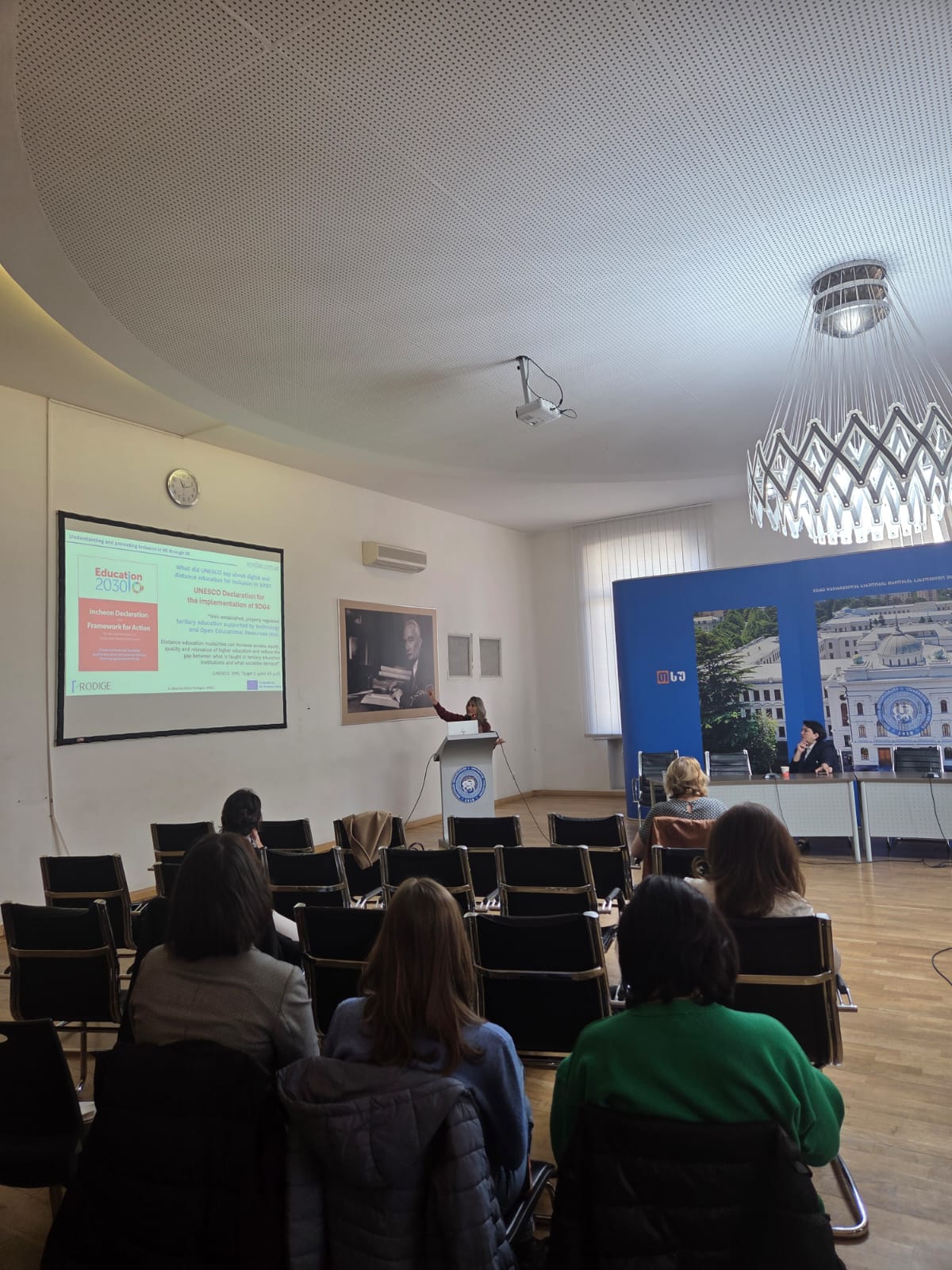
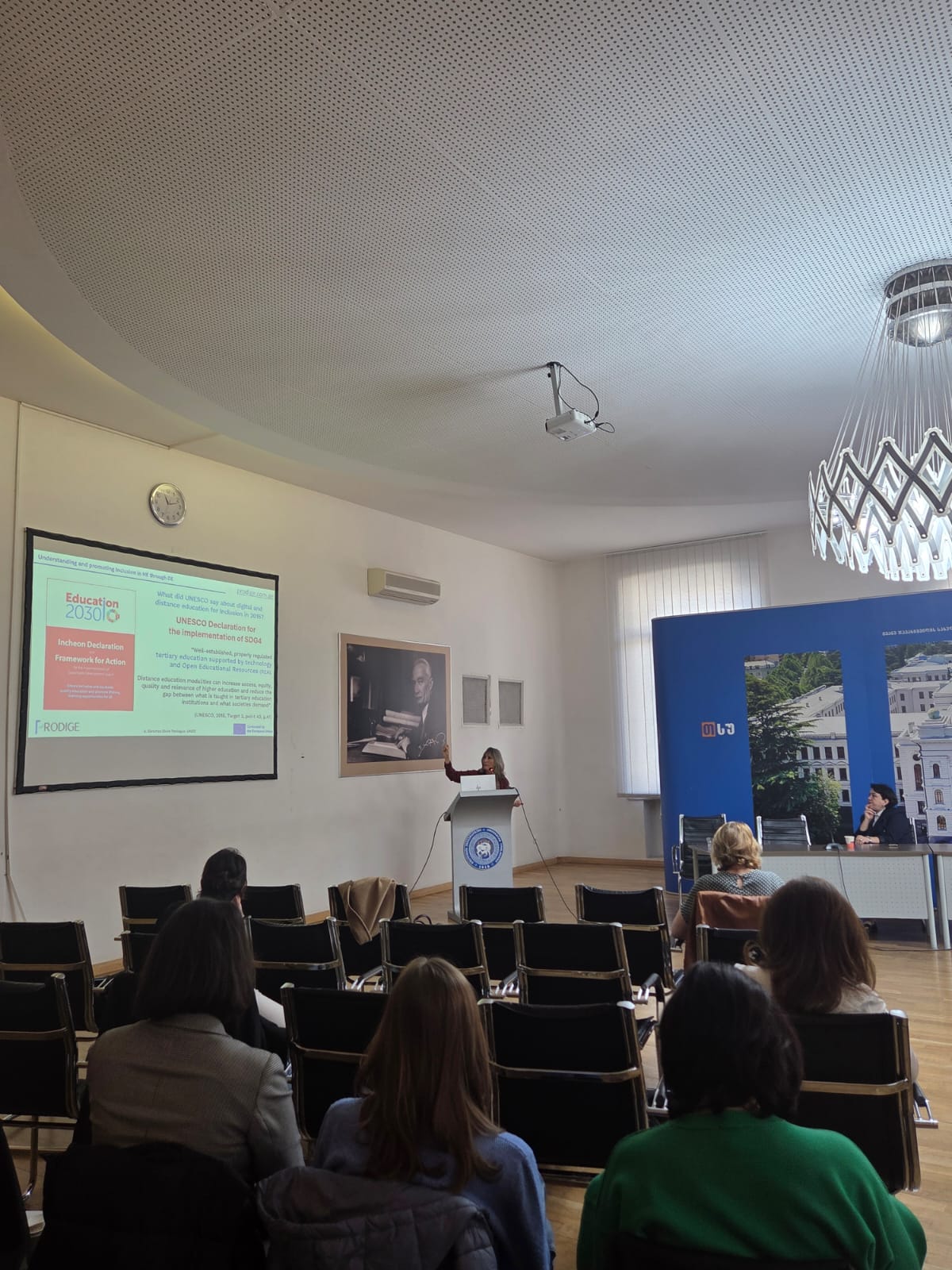
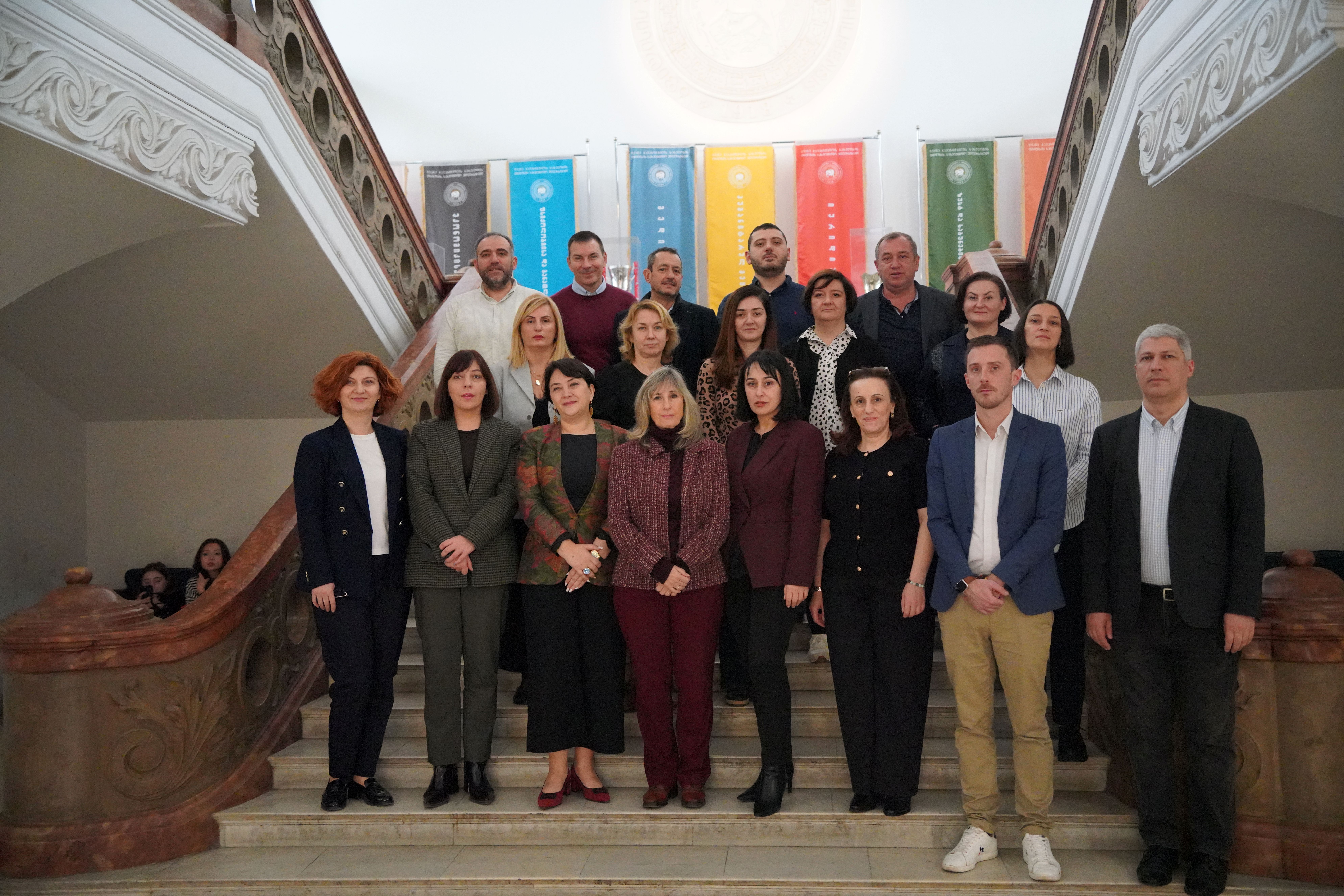
Tbilisi, Georgia – From December 1 to 3, 2025, higher education professionals from across Georgia convened at Tbilisi State University (TSU) for a three-day training seminar titled “Reinforcing Students’ and Graduates’ Employability in DE Settings”. This event, part of Work Package 4 of the European Union co-funded PRODIGE project, focused on equipping participants with the tools, strategies, and insights needed to enhance student employability in digital education (DE) contexts.
The seminar was delivered by experts Marko Kovačić, PhD, associate professor at the University of Rijeka and Vice Dean for Research and International Cooperation at the Algebra Bernays University, and Iva Džambaski, MA, an associate at Algebra Bernays University and the University of Rijeka. Their sessions combined research-informed insights with practical exercises, offering participants a comprehensive understanding of digital skill development and institutional strategies for employability.
Day 1: Identifying Digital Skill Gaps for Enhanced Employability
The opening day focused on understanding digital skill gaps among students and staff, and their impact on employability. Participants engaged in interactive group discussions to establish collaborative working dynamics, align expectations, and set objectives for the seminar.
The lecturers delivered a presentation on European trends in digital transformation and their relevance to higher education, highlighting how emerging skills can strengthen students’ employability in a rapidly evolving labor market. A hands-on workshop followed, where attendees mapped skill gaps within their institutions and reflected on strategies to address them. The day concluded with a reflective group discussion, reinforcing insights gained from both the theoretical and practical sessions.
Day 2: Building Digital Competence for Employability
Day two explored strategies for embedding digital skills into curricula and teaching practices. The morning sessions emphasized faculty and staff capacity-building, introducing effective online pedagogy techniques and digital teaching methods aimed at enhancing employability. Later sessions shifted focus to students, exploring learning approaches that cultivate adaptable, market-ready digital competencies.
In the afternoon, participants engaged in an Open Space workshop, a participatory methodology encouraging peer learning and dialogue on employability in DE settings. The day wrapped up with reflective discussions, allowing participants to consolidate their learning and share actionable strategies.
Day 3: Expanding Impact Beyond PRODIGE
The final day centered on extending the PRODIGE project’s outcomes to institutional strategies and future initiatives. Participants conducted stakeholder mapping exercises, identifying key actors to support employability-focused DE initiatives.
The Project Lab session guided attendees in conceptualizing new project ideas that leverage existing PRODIGE resources, networks, and lessons learned. The seminar concluded with the development of institutional action plans, integrating skills development into curricula, strategic frameworks, and academic practices to maximize students’ employability outcomes.
The Tbilisi training successfully reinforced participants’ capacity to integrate digital skills into higher education curricula, identify institutional skill gaps, and foster employability-focused initiatives. By bringing together educators, policymakers, and practitioners, the seminar strengthened Georgia’s higher education landscape and furthered the overarching goal of the PRODIGE project: promoting high-quality, employability-oriented digital education.